The size and high-altitude operations of wind turbines make them inherently challenging to handle during construction and maintenance. The main power supply, process control, network and communications, and field equipment of wind turbine systems require high-level surge protection to enhance system and equipment reliability and availability.
Wind turbines "big windmills" are the main power generation equipment in wind farms, converting wind energy into mechanical energy, and then into electrical energy. They consist of the rotor, nacelle, tower, and foundation.
Due to their installation locations and heights, they are prone to lightning strikes, which can damage blades, main control, pitch control, monitoring systems, and even cause the collapse of the windmill, resulting in irretrievable losses.
During wind turbine operations, vibrations and harsh environments such as offshore salt spray, high altitudes on land, and dust demand high reliability and quality of electronic and electrical products like controllers, sensors, and generators. Monitoring, protection, and other products are necessary to ensure the continuous power generation of wind turbines.
Wind turbines have a design life of generally 20 years, integrating a large number of electronic and electrical devices. Particularly in high-risk lightning environments, the long-term reliability of these devices is severely tested.
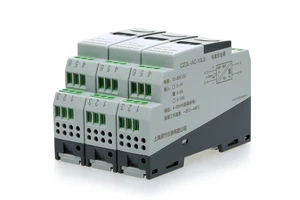
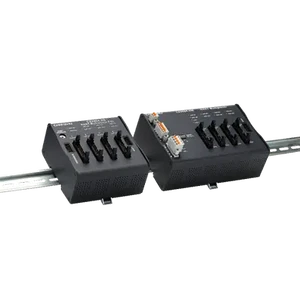
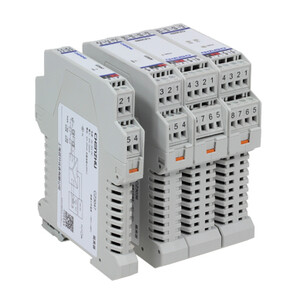
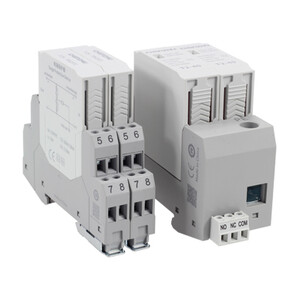
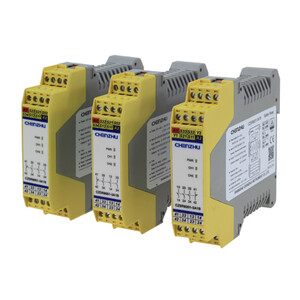
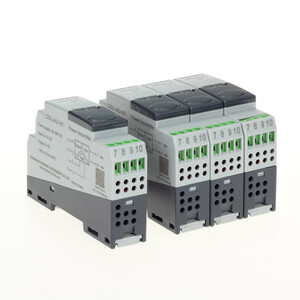
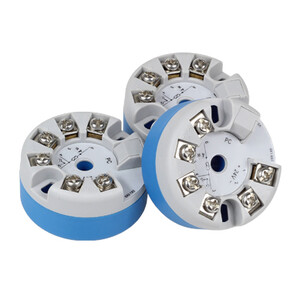
To ensure continuous and stable operation of the turbines, prevent equipment damage from surge pulses, and reduce maintenance costs, in addition to direct lightning protection, high-quality SPD surge protection products are required to protect the main control, pitch control, and monitoring systems. Comprehensive lightning protection is essential.
Strong lightning protection capability
Adaptability to harsh environments such as high temperature, high humidity, salt spray, and vibration
Product reliability and stable quality
A surge (also known as a spike or transient) refers to an instant peak value that exceeds the normal value, including surge voltage and surge current.
The surges in power supply systems mainly come from two sources: external (caused by lightning) and internal (overvoltage caused by electrical equipment, often at the millisecond level).
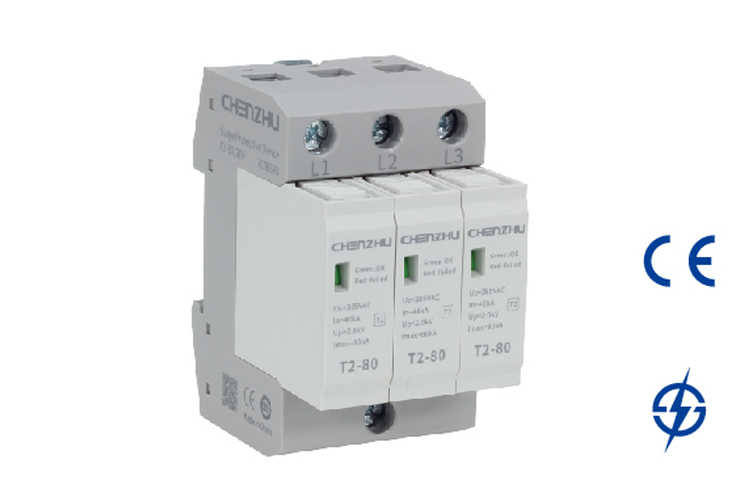
SPD Surge Protection is a device that limits transient overvoltage and discharges surge current, thereby protecting electrical or electronic equipment. SPDs are typically connected in parallel with the protected equipment. When overvoltage occurs, they can shunt and limit voltage to prevent excessive current and voltage from damaging the equipment. SPDs are crucial electrical devices for protecting circuit safety in low-voltage distribution systems and telecom and signal systems.
Reliable Technology
High current capacity, rapid current discharge: Lightning protection capacity up to 80kA (8/20us)
Reliable tripping technology, achieving complete contact separation after tripping, extinguishing the electric arc to avoid drawing
No external disconnecting device needed, short-circuit withstand capacity up to 1000A
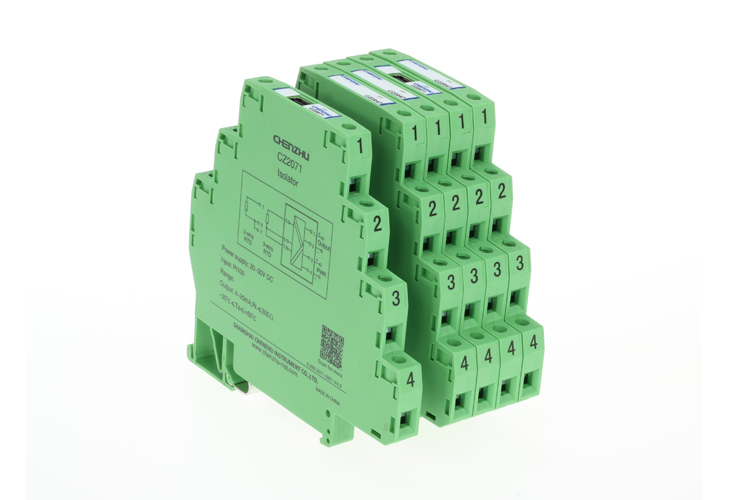
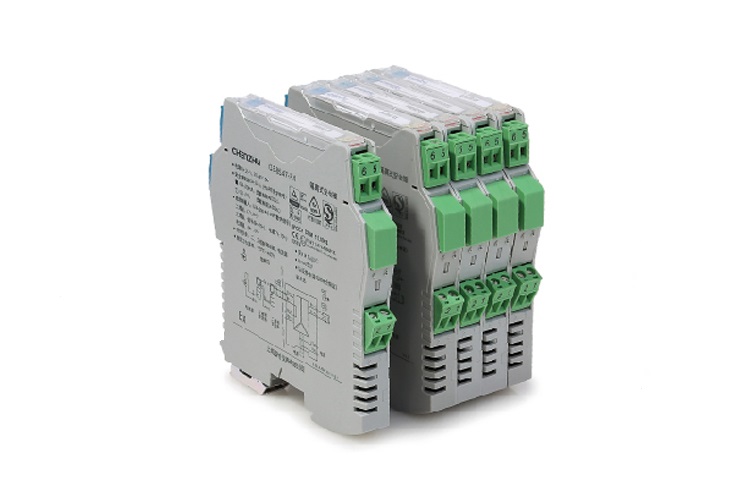
Signal SPD Surge Protection products offer 4-point contact on the rail, providing easier and more reliable installation
Innovative preheat welding technology, automated welding process ensures product production consistency and reliability
Easy Maintenance
Failure indication feature allows maintenance personnel to easily determine device status
Remote signaling function allows remote monitoring of SPD equipment status, providing early warning information in the control room
Hot-swappable function allows spare parts replacement without interrupting system operation
Suitable for Harsh Environments
Passed 96-hour salt spray test
Can withstand 2G vibration
Temperature resistance up to 220°C
Flame retardant level of the casing up to V0 level
 English
 한국어
한국어 français
 Deutsch
 Español
 italiano
 русский
 português
 العربية
 tiếng việt
 čeština