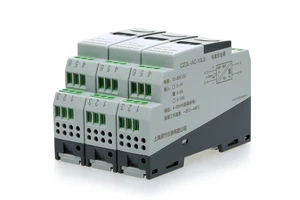
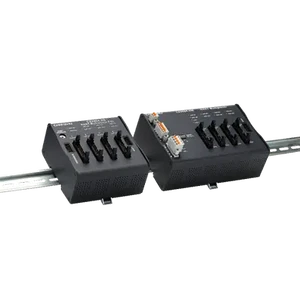
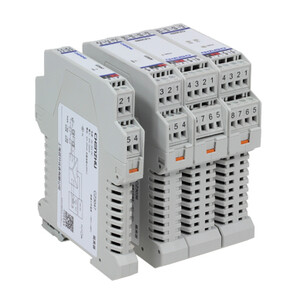
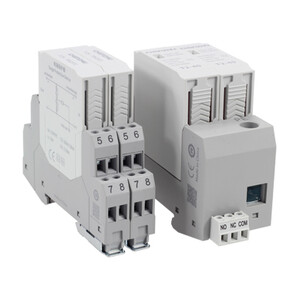
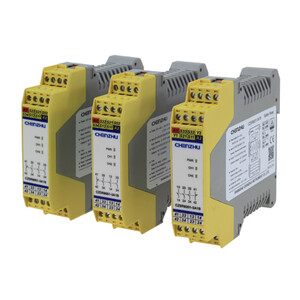
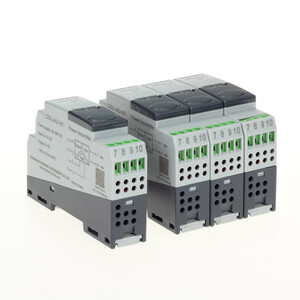
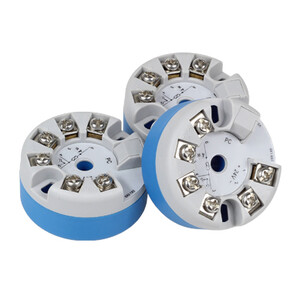
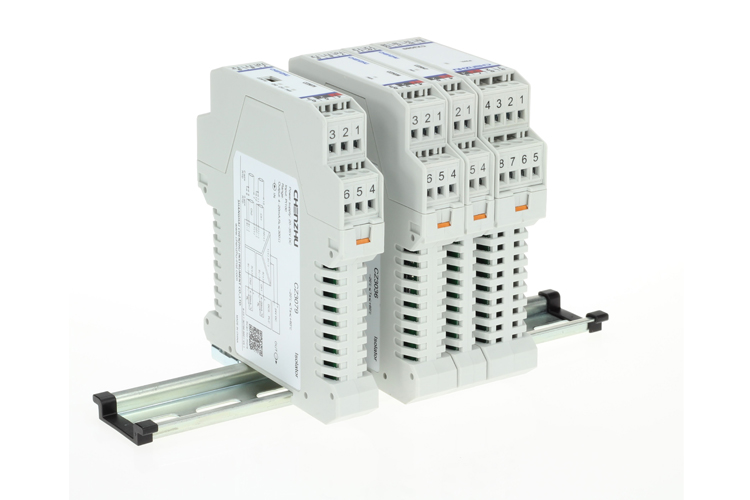
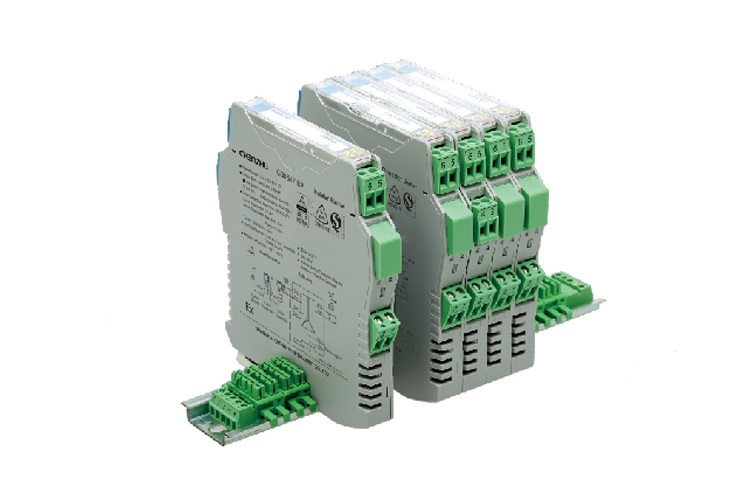
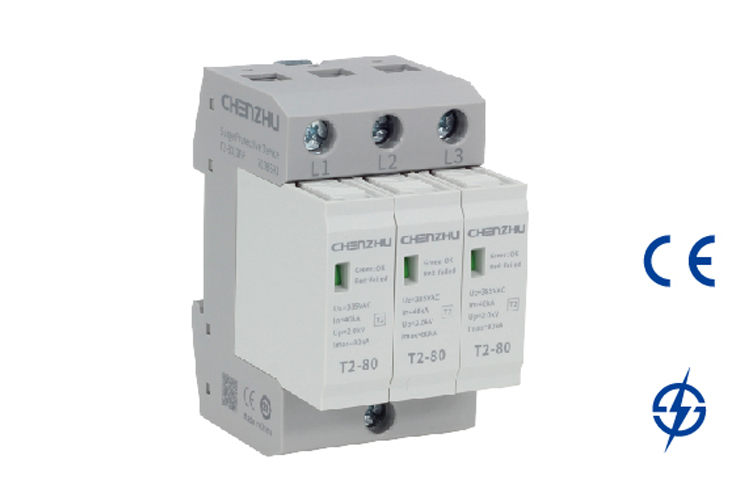
With the continuous development of the industrial sector, different mechanical equipment and process links carry safety risks. Therefore, incorporating the design of safety relay in the product design stage is to protect various levels of mechanical equipment, with the primary aim of safeguarding operators exposed to various hazards.
Safety relay is a modular circuit unit composed of multiple relays and logic circuits. Its function is to complement each other in the event of a fault to ensure accurate and low-error operation, thereby reducing the risks of errors and failures and increasing the operational safety of the equipment. In short, it should be referred to as safety relay modules.
Based on the differences in the input devices of the safety circuit, selection can be made through the following 5 points:
Type of input devices;
Number of output channels;
Backend driving capability requirements;
Safety level;
Functional requirements.
Input devices in mechanical safety circuits typically include emergency stop buttons, safety doors, safety light curtains, safety mats, interlocks, two-hand buttons, laser scanners, and other safety sensors.
Size: Safety relay is usually larger in size compared to general intrinsically safe relays.
Modular design: Safety relay features a modular design, unlike general relays which is used as electronic components.
Color coding: Safety relay typically uses yellow or red, or a combination of these colors, to distinguish their special purpose in safety design and labeling.
Safety performance: Due to differences in design principles, safety relay can achieve a high diagnostic coverage (DC), suitable for higher safety level mechanical and process control industries, such as SIL2 or higher. General relays are usually suitable for lower safety level applications, such as Cat.B/1 and SIL1.
Forced guided structure: Safety relay has a forced guided contact structure, ensuring safe operation even in the event of contact welding failure, which is entirely different from general relays. This structure, through the design of an internal forced guide rod, effectively prevents accidental ON states caused by contact welding, enhancing the reliability and safety of the equipment.
Safety relay as a key safety equipment module, not only plays a critical role in the design of industrial equipment but also ensures efficient and safe equipment operation through their special design and functionality. Choosing the right safety relay requires considering input devices and safety levels, and understanding their unique modular design and forced guided structure to ensure the reliability and safety of equipment under various conditions.
 English
 한국어
한국어 français
 Deutsch
 Español
 italiano
 русский
 português
 العربية
 tiếng việt
 čeština