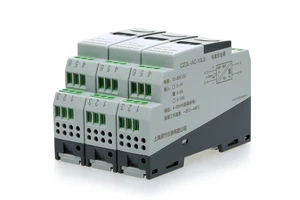
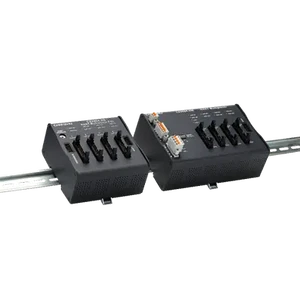
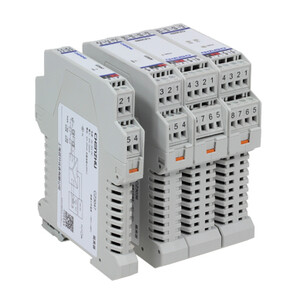
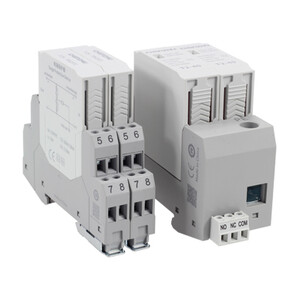
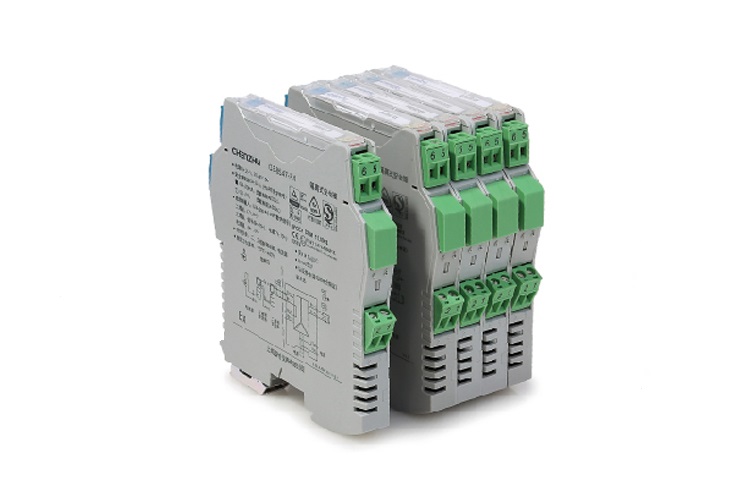
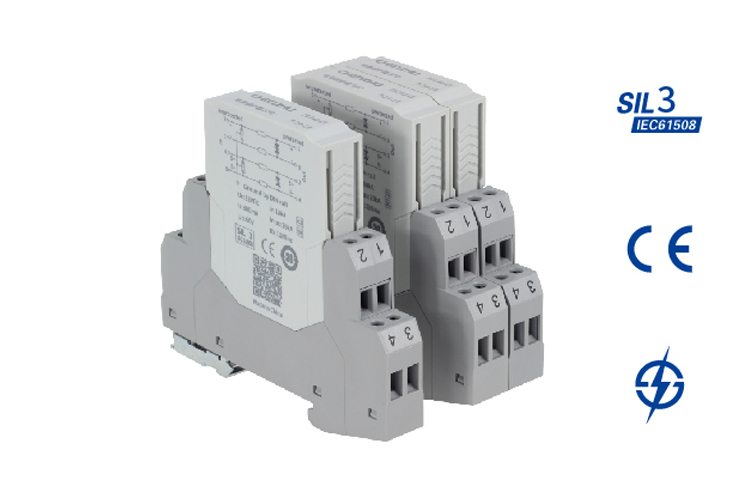
In today's industrial landscape, ensuring the safety of workers and equipment is more critical than ever. As industries such as oil & gas, chemical processing, and pharmaceuticals advance in automation, the risk of electrical hazards in hazardous areas has also increased. isolated barriers have become an essential component in safeguarding industrial systems, helping companies prevent accidents while maintaining operational efficiency.
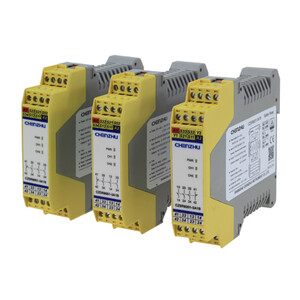
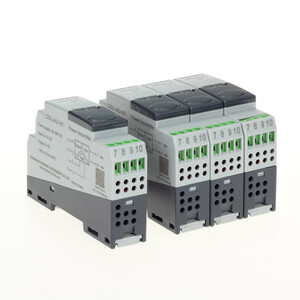
An intrinsic safety barrier is a device designed to limit electrical energy within a circuit, preventing sparks or heat that could ignite flammable gases or dust. Unlike traditional isolation methods, isolated barriers focus on energy limitation, making them ideal for hazardous environments classified as Zone 0, Zone 1, or Zone 2.
While the term "barrier" might suggest a physical blockade, these devices operate electronically. They regulate voltage and current, ensuring that even in the event of a fault, the energy available is too low to trigger combustion. This makes them indispensable in industries where a single spark could lead to catastrophic consequences.
The rise of Industry 4.0 has transformed manufacturing and process industries. Sensors, actuators, and automated systems now monitor and control critical processes in real-time. However, integrating these devices into hazardous areas introduces safety challenges.
isolated barriers provide a dual advantage:
Protection of Personnel: By preventing sparks in explosive atmospheres, isolated barriers reduce the risk of fires or explosions, ensuring worker safety.
Equipment Longevity: Limiting electrical stress on field devices not only prevents hazardous incidents but also extends the life of instrumentation, reducing maintenance costs and unplanned downtime.
Moreover, the integration of these barriers allows plants to maintain compliance with international safety standards, including IEC 60079-11 for intrinsic safety, which is often required for insurance and regulatory purposes.
Choosing the right isolated barriers is not just about safety compliance; it also impacts performance and reliability. Here are several factors that industrial engineers and safety managers should consider:
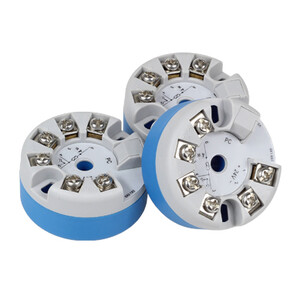
Compatibility with Field Devices: Ensure the barrier matches the voltage, current, and signal type of your sensors and actuators. For example, temperature transmitters and pressure sensors may have different electrical characteristics.
Environmental Ratings: Industrial settings can vary from dusty chemical plants to high-humidity environments. Select barriers with appropriate ingress protection (IP) ratings to withstand these conditions.
Response Time and Accuracy: For process control applications, delays or signal distortion can affect system performance. High-quality barriers maintain signal integrity while ensuring safety.
Maintenance and Monitoring: Some barriers feature diagnostic capabilities to detect faults or degradation, enabling predictive maintenance and minimizing unexpected shutdowns.
By carefully evaluating these parameters, industrial operators can achieve a balance between safety, efficiency, and cost-effectiveness.
While there are multiple methods to manage hazardous areas—such as explosion-proof enclosures or purging systems—isolated barriers offer unique advantages:
| Feature | Isolated Barriers | Explosion-Proof Enclosure | Purging Systems |
|---|---|---|---|
| Energy Limitation | Limits voltage/current to prevent ignition | No energy limitation | No energy limitation |
| Installation Flexibility | Can be integrated into existing circuits easily | Heavy and bulky | Requires dedicated systems |
| Maintenance Cost | Low, minimal moving parts | Higher due to complex enclosures | Requires regular inspection |
| Signal Integrity | High, preserves sensor accuracy | May require signal converters | Signal may be affected by purging |
As the table demonstrates, isolated barriers provide an efficient, low-maintenance, and flexible solution for modern industrial systems.
Industries across the globe rely on isolated barriers to protect both their workforce and their assets. Some notable applications include:
Oil & Gas Platforms: Offshore rigs use isolated barriers to connect sensors in areas where explosive gases are present. Limiting energy prevents accidental ignition and ensures continuous operation even under harsh conditions.
Chemical Processing Plants: Monitoring pressure, flow, and temperature in chemical reactors often requires devices installed in zones with volatile vapors. IS barriers allow accurate data transmission without compromising safety.
Pharmaceutical Manufacturing: Even seemingly non-explosive environments can generate combustible dust during powder handling. Isolated barriers ensure that automated equipment operates safely without disrupting production lines.
A significant benefit of using isolated barriers is their seamless integration with advanced control systems such as DCS (Distributed Control System) or PLC (Programmable Logic Controller). With proper barrier selection, signals from field devices can be transmitted safely to control rooms without requiring additional isolation methods.
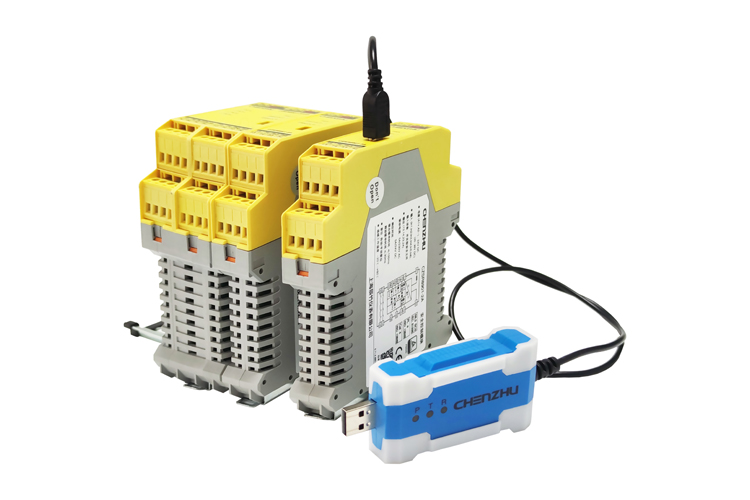
Some modern IS barriers also offer digital diagnostics, enabling real-time monitoring of barrier status. This feature allows operators to predict potential issues, schedule maintenance proactively, and avoid costly downtime.
To maximize the benefits of isolated barriers, industrial operators should follow these guidelines:
Regular Inspection: Conduct periodic checks to ensure barriers are functioning correctly, especially after high-stress events such as electrical surges.
Proper Documentation: Keep detailed records of barrier specifications, installation locations, and associated field devices. This is critical for regulatory compliance and troubleshooting.
Training: Ensure personnel understand the principles of intrinsic safe barrier, including limitations and safe handling of circuits protected by IS barriers.
Collaboration with Experts: Work with manufacturers or suppliers to select barriers that meet specific environmental and operational requirements.
By adopting these practices, industries can enhance both safety and operational efficiency.
Isolated barriers are more than just safety devices—they are a cornerstone of modern industrial automation. By limiting electrical energy, these barriers protect personnel, equipment, and processes in hazardous environments. Their integration with advanced control systems, low maintenance requirements, and regulatory compliance make them an essential investment for industries ranging from oil & gas to pharmaceuticals.
For companies looking to enhance safety without compromising efficiency, isolated barriers offer a reliable and flexible solution. Choosing the right barrier, combined with proper installation and maintenance, ensures that industrial operations remain safe, compliant, and productive.
 English
 한국어
한국어 français
 Deutsch
 Español
 italiano
 русский
 português
 العربية
 tiếng việt
 čeština