In recent years, the increasingly prominent issue of water resource pollution has had a serious impact on people’s normal production and domestic water use, even directly threatening people's health. Therefore, improving the utilization rate of water resources and the recycling of water resources has become a focus. During water treatment processes, it is generally necessary to monitor the on-site conditions of pressure, water level, and flow, often using monitoring equipment such as pressure sensors, water level sensors, and flow sensors. With the advancement of technology, the processing of data from monitoring equipment has also shifted from manual collection to intelligent computer control.
The main controller of the automated control system adopts a high-performance PLC programmable logic controller, forming a safe and stable industrial network control system characterized by "distributed control, centralized management, and data sharing." It can monitor the production process in real-time and automatically perform statistical processing on production data.
Compared with traditional sewage treatment methods, the PLC automated control system can not only centrally control the corresponding equipment used during the sewage treatment process, achieving remote automatic control management, but also ensure the safe operation of the water treatment process and the intelligent scheduling of wastewater discharge through functions such as data acquisition and analysis, information storage and sharing, and fault alarm display.
In the water treatment automatic control system, two-wire, three-wire sensors, and other types of sensors collect relevant data on-site, enabling the PLC to monitor various on-site conditions in real-time to ensure that data can be delivered to current staff promptly. These devices all need an external power source to operate. To ensure the safe operation of the on-site control units, an independent DC24V power module is generally provided. Given the large number and variety of sensors used in the entire water treatment automation control system, signal isolators are typically installed between the PLC and the sensors.
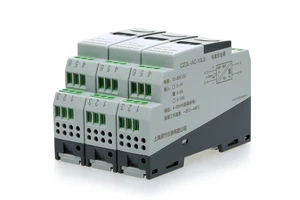
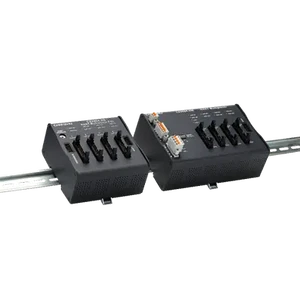
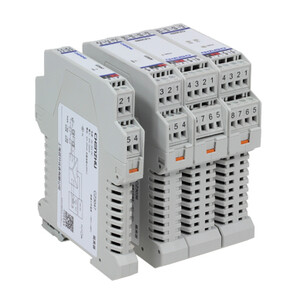
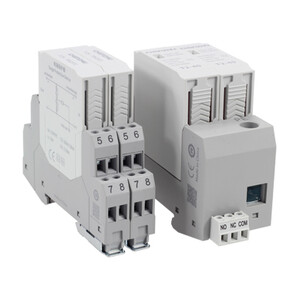
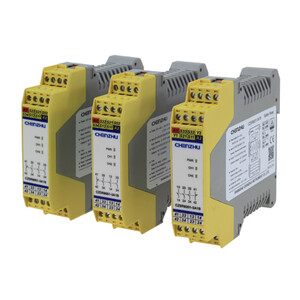
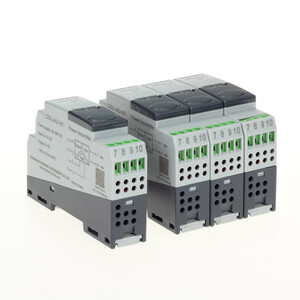
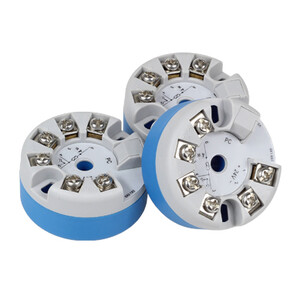
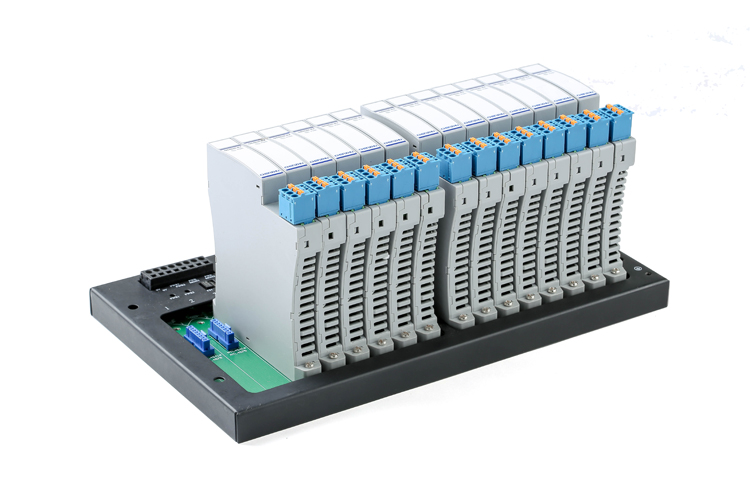
The Signal Isolators, serving as bridges between the sensors and the PLC, not only enhance the accuracy of analog signal measurements, improve electromagnetic interference resistance, and ensure electrical isolation safety but also rationally address the safety and relative independence of the sensor power supply.
In water treatment projects, the signal isolators not only serve as technical guarantee but also as important assurance for safe and stable operation, providing reliable support for the efficient utilization of water resources and environmental protection.
 English
 한국어
한국어 français
 Deutsch
 Español
 italiano
 русский
 português
 العربية
 tiếng việt
 čeština