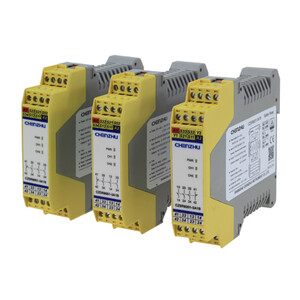
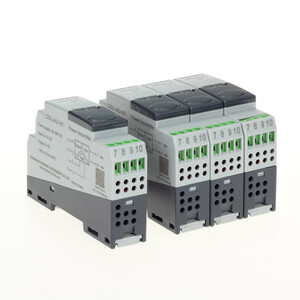
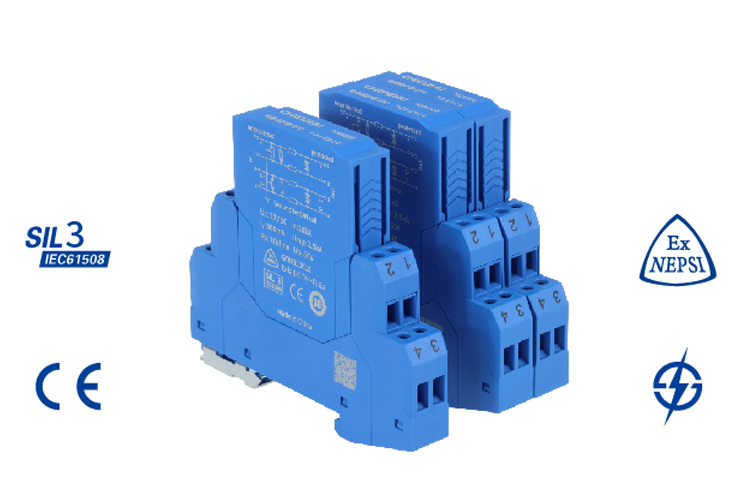
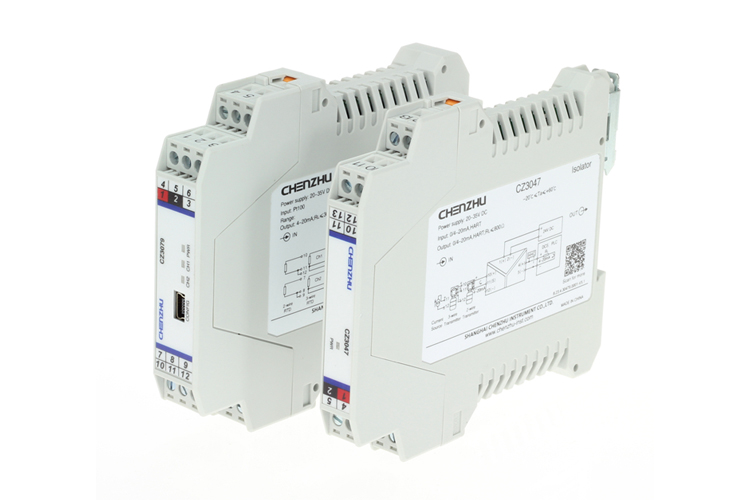
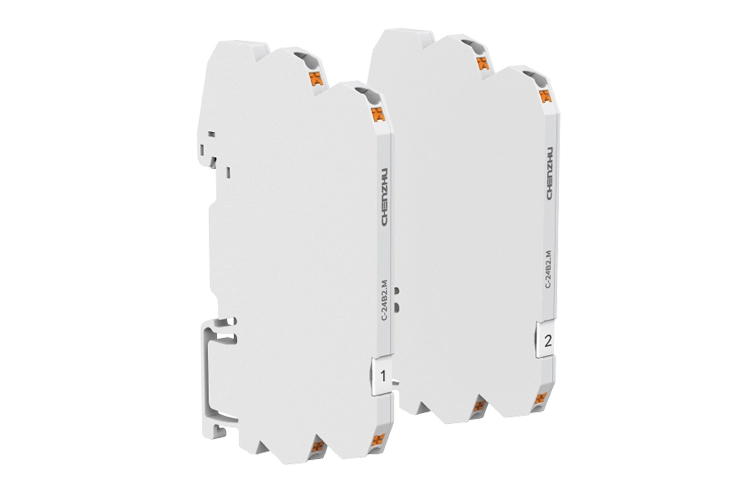
Isolator Barrier is widely used in the industrial sites of petrochemical industry. This is because there is a possibility of leakage and explosion of mixed substances during the production process in the petrochemical industry. To ensure personal and production safety, it is essential to reasonably equip such explosion-proof devices like the Isolator Barrier, and conduct engineering installation and usage that meet the requirements. The document Anjian Zongguan San [2017] No.121 "Standards for the Identification of Major Safety Hazards in the Production and Operation Units of Chemical and Hazardous Chemicals (Trial)" lists "the failure to install and use explosion-proof electrical equipment in explosion-hazardous areas in accordance with national standards" as a criterion for identifying major accident hazards. This highlights the necessity of installing explosion-proof equipment. This article will discuss the application of Isolator Barrier and its role in the standards for explosion-proof instruments.
When it comes to explosion-hazardous areas, I believe many of you have heard about the dangerous area divisions such as Zone 0, Zone 1, Zone 2, as well as the explosion-proof classification of IIAA, IIB, IIC. However, the specific principles of division and the limitations of the hazardous areas might be relatively unfamiliar. According to the national standard GB 50058-92, explosion-hazardous gas areas are divided into three zones based on the severity of the danger: Zone 0, Zone 1, and Zone 2.
Zone 0 refers to environments where explosive gas mixtures appear continuously or for long periods; Zone 1 refers to environments where explosive gas mixtures are likely to appear during normal operation; Zone 2 refers to environments where explosive gas mixtures are unlikely to appear during normal operation, or if they do appear, they are only present for a short time. According to the above descriptions, the risk levels of the three zones should be Zone 0 > Zone 1 > Zone 2.
Based on the classifications of IIAA, IIBB, IICC environments, the representative gas of IIAA is propane, with a minimum ignition energy of 180 microjoules; the representative gas of IIBB is ethylene, with a minimum ignition energy of 60 microjoules; the representative gas of IICC is hydrogen and acetylene, with a minimum ignition energy of 20 microjoules. From the ignition characteristics of the representative gases of each grade, the explosion-proof grades should be IIC > IIB > IIA.
In summary, when purchasing explosion-proof products, one should not only look at one classification, but should consider the requirements of both explosion-proof regulations to choose the appropriate product. Taking some of our Langwei products as an example, although the main functions of the Isolator Barrier and the signal isolator are similar, the Isolator Barrier adds explosion-proof functions and has obtained SIL2 and EX explosion-proof certifications, so it is suitable for Zone 0, Zone 1, Zone 2, IIAA, IIBB, IICC and most hazardous gaseous industrial sites. The signal isolator does not add explosion-proof functions and can only be installed in industrial sites without explosion hazards.
 English
 한국어
한국어 français
 Deutsch
 Español
 italiano
 русский
 português
 العربية
 tiếng việt
 čeština