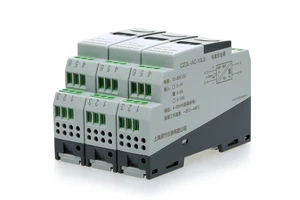
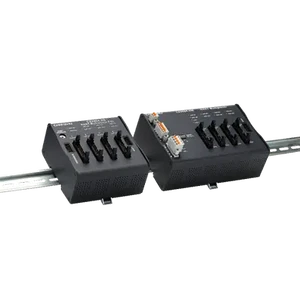
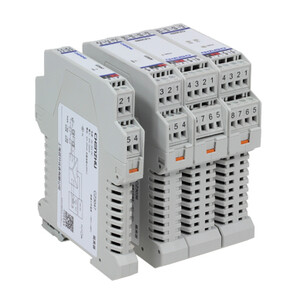
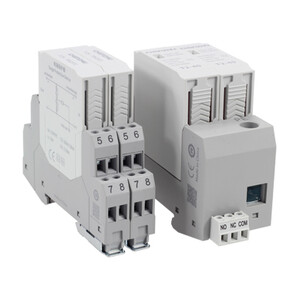
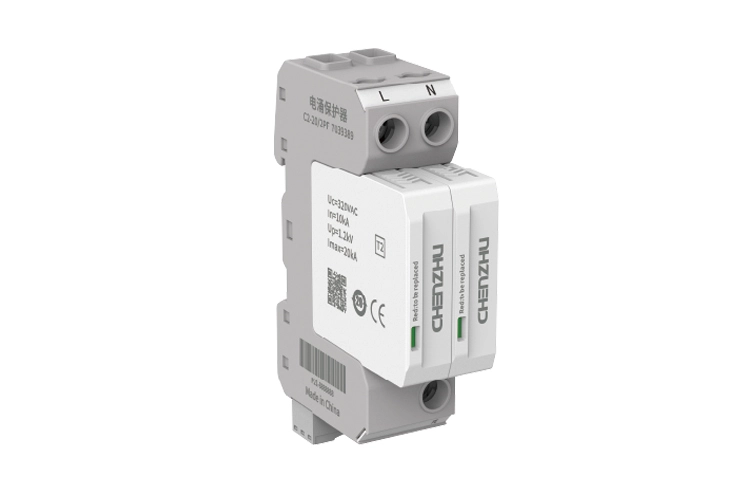
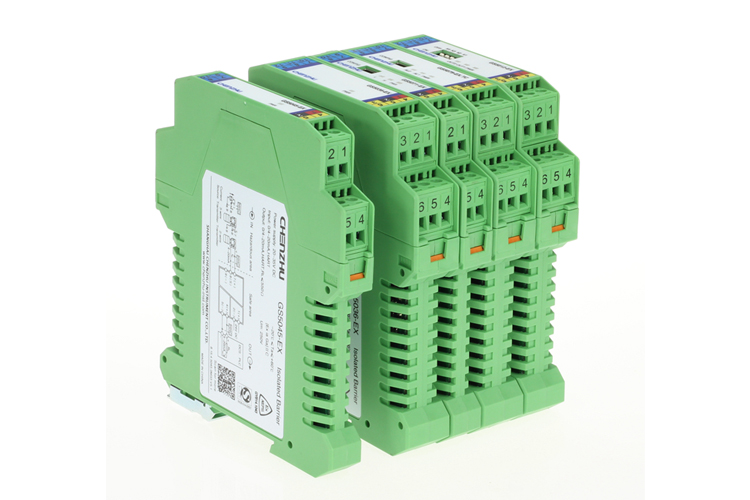
In the complex and ever-changing industrial environment, signal isolators play a crucial role as a key technology. This article delves into the six core applications of signal isolators in the industrial field, showcasing their unique value in ensuring system stability and improving production efficiency.
In industrial settings, when the driving capability of sensors is limited and the signal transmission distance is long, signal attenuation and distortion become unavoidable issues. The addition of signal isolators acts like paving a "highway" for signal transmission, effectively enhancing the driving capability of the signal and offsetting the losses caused by long-distance transmission. This characteristic ensures the authenticity and integrity of the signal, laying a solid foundation for the stable operation of the control system.
Electromagnetic interference, an invisible enemy, constantly threatens the stable transmission of industrial signals. In environments with strong electromagnetic fields, signals are prone to distortion, leading to system malfunctions. Signal isolators, with their excellent isolation performance, become a solid shield against electromagnetic interference. By combining physical and electrical isolation, they effectively cut off the propagation path of interference signals, ensuring the purity and accuracy of the signals.
In complex industrial control systems, the simultaneous transmission of multiple signals often faces the problem of mutual interference. This interference not only reduces the control accuracy of the system but may also lead to loss of control. The application of signal isolators is like a wise "traffic policeman," ensuring harmonious coexistence of multiple signals through precise signal isolation and conversion, reducing mutual interference between signals, and ensuring the stability and reliability of the system's operation.
In automated control systems, the diversity of signal types requires efficient signal conversion and matching capabilities between devices. Signal isolators, with their isolation and conversion functions, easily solve the problem of mismatched signal sending and receiving ends. They act like a bridge, connecting the gap between different signal types, ensuring precise transmission and efficient utilization of the signals.
In closed-loop control circuits, any slight disturbance can lead to a significant decline in system performance. Signal isolators, with their excellent anti-interference ability, provide solid protection for closed-loop control systems. They effectively filter out interference noise, ensuring precise control and stable operation of the system, providing strong support for industrial automation production.
High-voltage DC static and lightning interference in industrial sites pose major threats to the safe operation of equipment. Signal isolators also exhibit excellent performance in this aspect. They act like a solid "firewall," effectively blocking the intrusion paths of high-voltage DC static and lightning, protecting critical equipment such as sensors and actuators from damage. This characteristic not only extends the equipment's service life but also reduces the risk of production interruptions caused by equipment damage.
 English
 한국어
한국어 français
 Deutsch
 Español
 italiano
 русский
 português
 العربية
 tiếng việt
 čeština