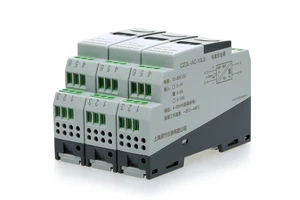
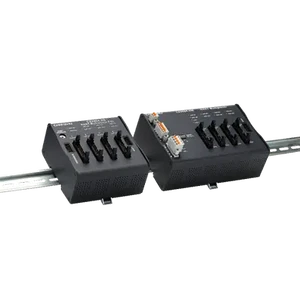
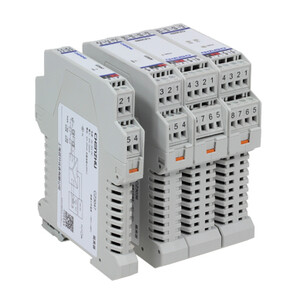
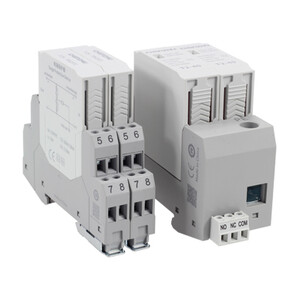
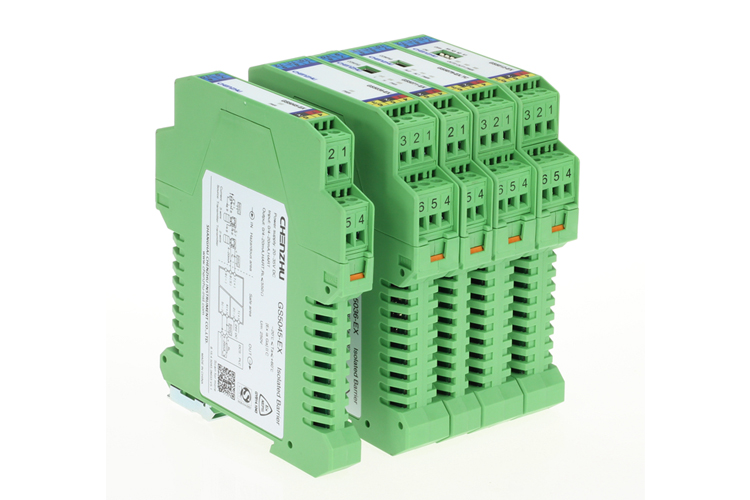
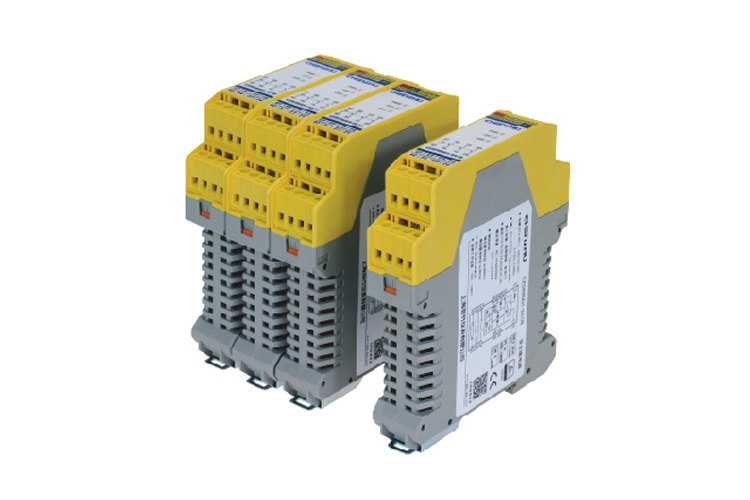
Intrinsically safe barriers, as the common safety protection devices, play crucial roles in industrial production and aim to protect machinery and personnel from accidental injury. However, even with careful maintenance and servicing, intrinsically safe barriers may sometimes experience sudden failures. In such cases, it is essential to take appropriate emergency measures promptly.
When intrinsically safe barriers fail, the first step is to immediately stop the operations of related machinery and equipment. Stop the equipment by pressing the emergency stop button or cutting off the power supply. This can prevent further dangers and damages.
Inspect the intrinsically safe barriers for any damage or destruction. If there is any visible damage, do not attempt to repair or replace the parts by yourself. Instead, immediately contact professional technicians for handling. They will provide the correct solution based on the specific situation.
If the intrinsically safe barriers are not visibly damaged but still malfunction, check whether the connections and power supply of the intrinsically safe barriers are normal. Ensure that all wires and connectors are in good condition. If any wires are loose or connectors are detached, reconnect them securely.
Before restarting the equipment, make sure to conduct necessary tests and inspections. Ensure that all components of the intrinsically safe barriers are functioning normally and can correctly detect and respond to danger signals. Refer to the equipment's manual or contact the manufacturer for related information.
When dealing with sudden failures of intrinsically safe barriers, remain calm and vigilant. If you are unsure how to handle the problem, do not attempt to solve it by yourself. Instead, promptly seek help from professional technicians. They have extensive experience and expertise and can quickly and accurately identify the problem and take the correct remedial measures.
To prevent sudden failures of intrinsically safe barriers, it is recommended to strengthen maintenance and preventive measures. Regularly inspect and maintain the intrinsically safe barriers, clean the sensors and contactors to ensure their normal function. Additionally, train employees on the correct usage of intrinsically safe barriers, and establish corresponding operational procedures and emergency plans to address potential danger situations.
In addressing sudden failures of intrinsically safe barriers, stopping the operation of equipment, inspecting intrinsically safe barriers for damage, checking connections and power supply, conducting necessary tests and inspections, and seeking help from professional technicians are critical steps in handling failures. Additionally, strengthening maintenance and preventive measures can reduce the likelihood of failures. Through reasonable measures and actions, the intrinsically safe barriers can continuously perform their protective function, ensuring the safety of personnel and equipment.
 English
 한국어
한국어 français
 Deutsch
 Español
 italiano
 русский
 português
 العربية
 tiếng việt
 čeština