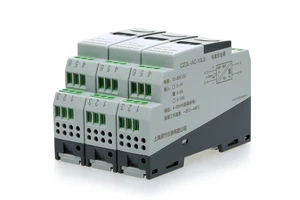
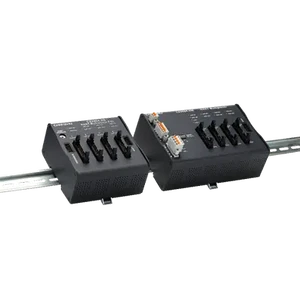
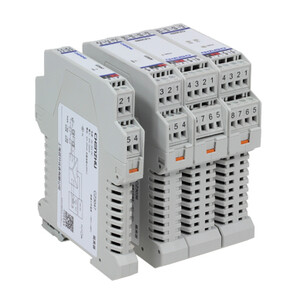
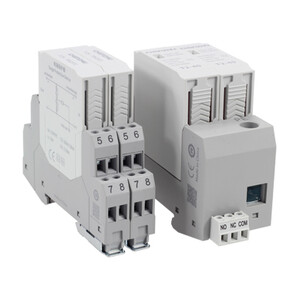
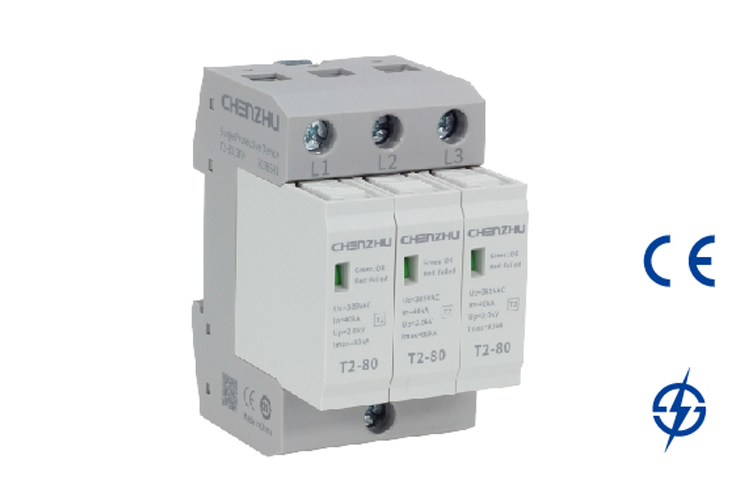
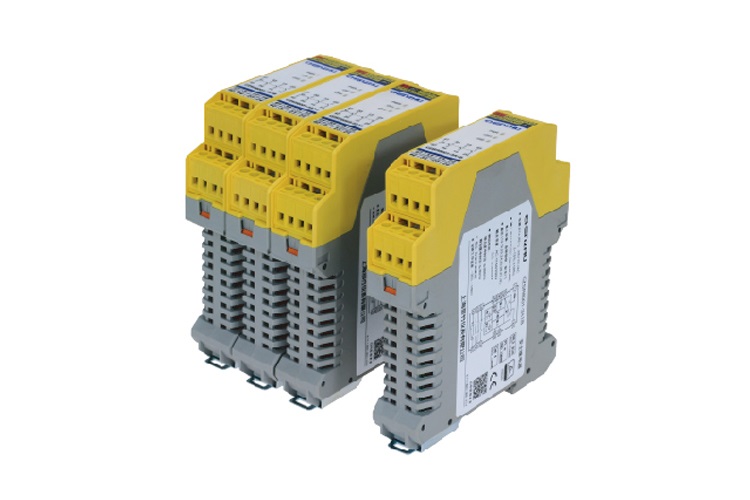
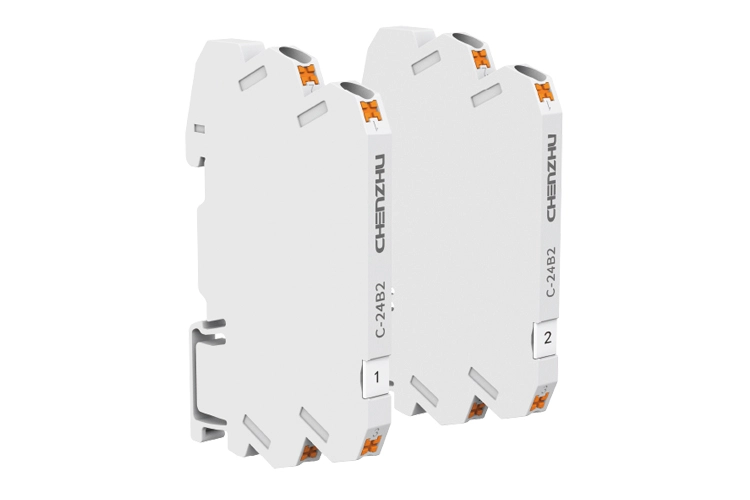
DC Power Surge Protector is a device used to protect DC circuit equipment from lightning strikes and surges. When the circuit is subjected to sudden voltage such as a surge or lightning strike, DC Power Surge Protector can limit the voltage within a certain safe range, preventing damage to equipment caused by excessive voltage.
Determine the wiring position
Install the surge protector on the power supply line at the DC power input or output end.
Turn off the power
Before wiring, be sure to turn off the DC power supply to avoid personal injury or equipment damage during the wiring process.
Wiring
Connect the input and output ends of the DC Power Surge Protector to the positive and negative terminals of the power line respectively. Generally, the input end is connected to the positive terminal of the power line, and the output end is connected to the negative terminal of the power line.
Secure the wiring
After completing the wiring, be sure to secure the connection wires properly to avoid poor contact or looseness, which may cause equipment malfunction or damage from lightning.
Power on test
After completing the wiring, turn on the power again, observe the working condition of the equipment and the surge protector, and ensure that the equipment can operate normally and that the surge protector can provide effective protection against lightning interference.
Install grounding facilities
Grounding is the foundation of lightning protection. Proper installation of grounding facilities and lowering the grounding resistance to a sufficiently low level can ensure that the current generated by lightning dissipates quickly at the grounding point, reducing the impact on the equipment.
Install surge protector
Surge protectors can divert excessive voltage and current to the ground line to protect the equipment from lightning interference. Different equipment requires different types of surge protectors to ensure the best protection.
Use lightning protection cables
Lightning protection cables can effectively prevent lightning interference signals from entering the equipment. These cables have special insulation materials and shielding layers to reduce the impact of electromagnetic waves.
Reasonable equipment layout
In the design and layout of equipment, sources of electromagnetic interference should be avoided. For example, separate high-frequency equipment from low-frequency equipment to avoid interference between them.
Maintenance of equipment
Equipment maintenance is another important factor in preventing lightning interference. According to the requirements of the equipment manual and maintenance handbook, regular maintenance and inspection should be carried out to ensure that the equipment is always in optimal working condition.
It should be noted that when wiring, you must carefully read the installation instructions of the product and strictly follow the instructions to ensure the safety and reliability of the equipment.
 English
 한국어
한국어 français
 Deutsch
 Español
 italiano
 русский
 português
 العربية
 tiếng việt
 čeština