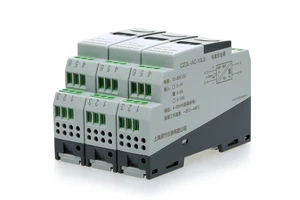
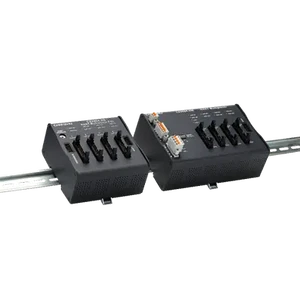
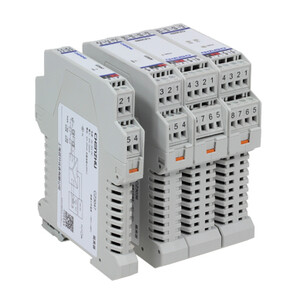
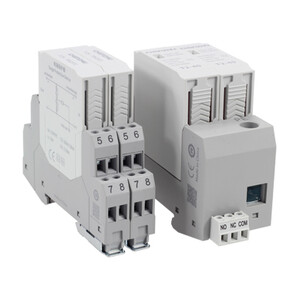
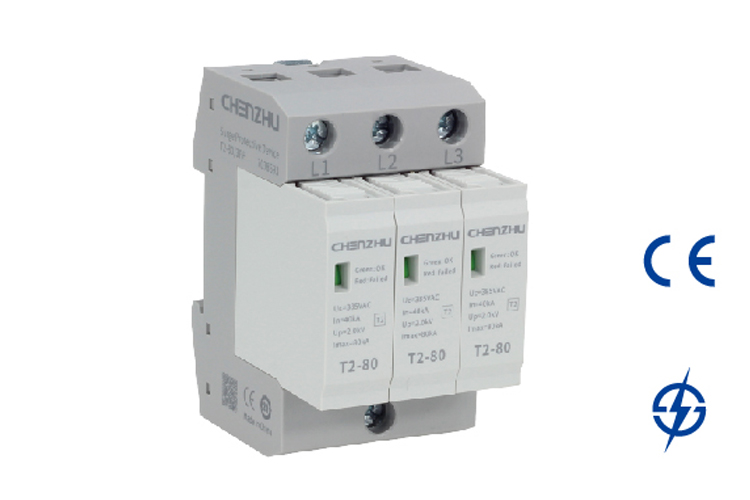
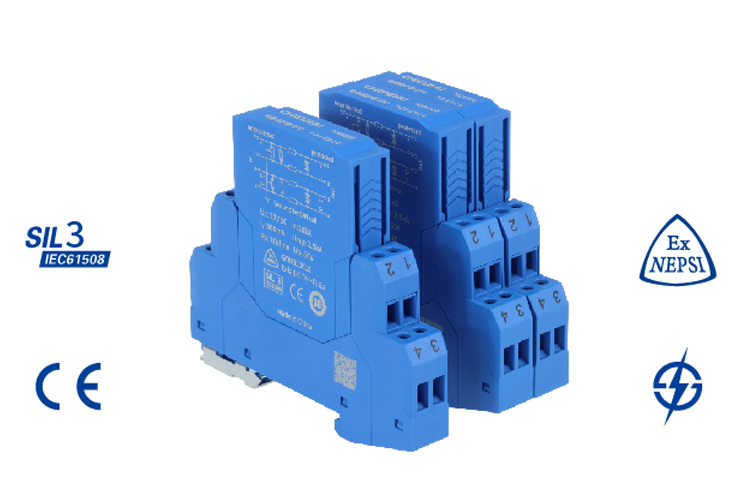
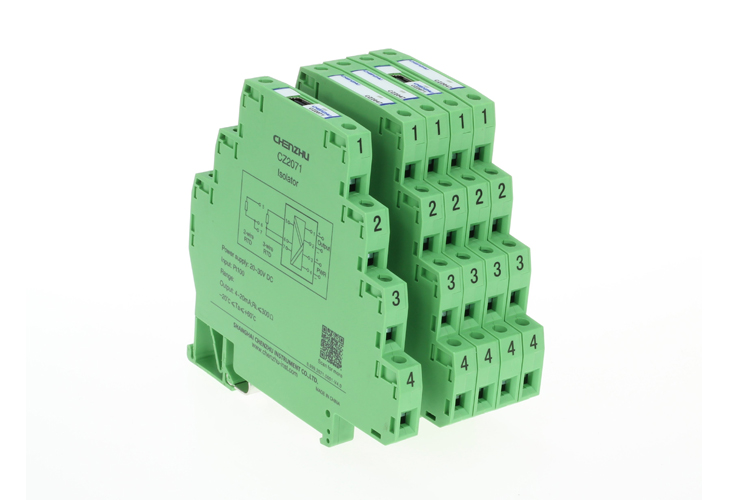
The main role of a SPD is to protect electrical equipment and systems from the damage caused by lightning surges. Lightning surges are transient currents caused by lightning striking the ground or nearby objects. They have very high peak values and rapid rise times, which can cause severe damage to equipment and systems.
The magnitude of the lightning surges that a SPD can withstand depends on its specific design and specifications. Generally, the SPD can handle lightning surges typically ranging from a few thousand amperes (kA) to tens of thousands of amperes (kA).
Lightning Protection Level
According to different application scenarios and the lightning protection needs of equipment, the appropriate lightning protection level can be chosen. Different lightning protection levels correspond to different lightning surges. Generally, the lightning protection levels commonly used in the industrial field are Level 3 and Level4, with corresponding lightning surges ranging from a few thousand amperes to tens of thousands of amperes.
Type and Rated Voltage of Equipment
Different types of equipment and different rated voltages have varying resistance to lightning surges. Large power equipment, communication devices, etc., generally require higher lightning surges capacity, necessitating the selection of SPDs with higher lightning surges capability.
Industry Standards and Norms
According to the standards and norms of the respective industry, requirements for lightning surges for related equipment or systems can be understood. Industry standards typically guide the selection of appropriate lightning surges capacity to ensure the reliability and safety of equipment and systems.
Lightning Surges Industry Standards and Norms
IEC 62305: This series of standards for lightning protection of buildings is issued by the International Electrotechnical Commission (IEC), including partsIEC 62305-1 through5. Specifically, partIEC 62305-4 provides detailed principles and requirements on lightning protection system design, including the selection and evaluation of lightning surges.
IEEE C62.41: Issued by the Institute of Electrical and Electronics Engineers (IEEE), this standard details surge protection requirements for electrical equipment used in industrial and commercial applications. The 1991 version ofIEEE C62.41-1991 specifies the classification and testing methods of lightning surges.
UL 1449: Released by Underwriters Laboratories (UL), this standard provides testing and certification requirements for SPDs in power systems, including criteria for lightning surges capacity and voltage withstand abilities.
It is important to note that the lightning surges capacity of a SPD does not mean it can completely prevent or absorb all lightning surges. The main function of a SPD is to divert and disperse overvoltage, protecting the equipment from overvoltage damage.
Therefore, when selecting a SPD, the characteristics of the equipment, industry standards and norms, and actual application needs should be comprehensively considered to choose the appropriate lightning surges capacity for effective overvoltage protection. It is best to consult a professional electrical engineer or lightning protection expert to get accurate advice for specific cases.
 English
 한국어
한국어 français
 Deutsch
 Español
 italiano
 русский
 português
 العربية
 tiếng việt
 čeština