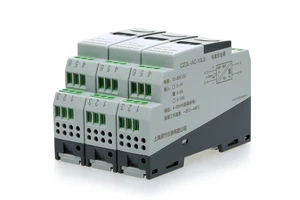
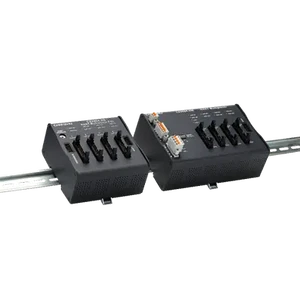
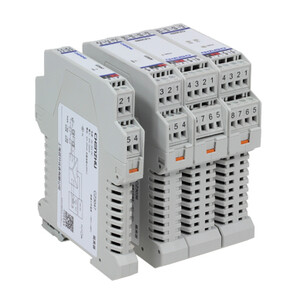
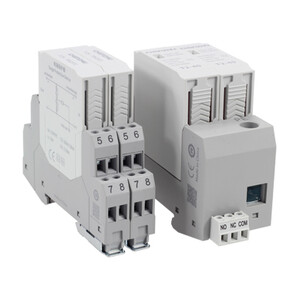
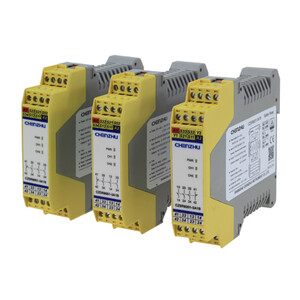
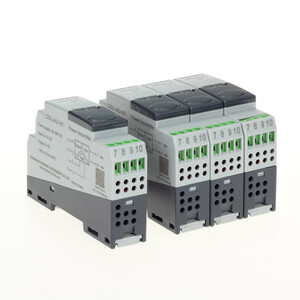
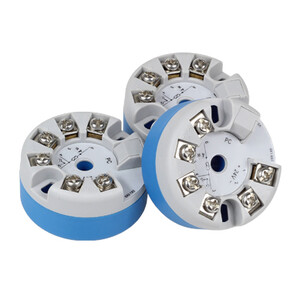
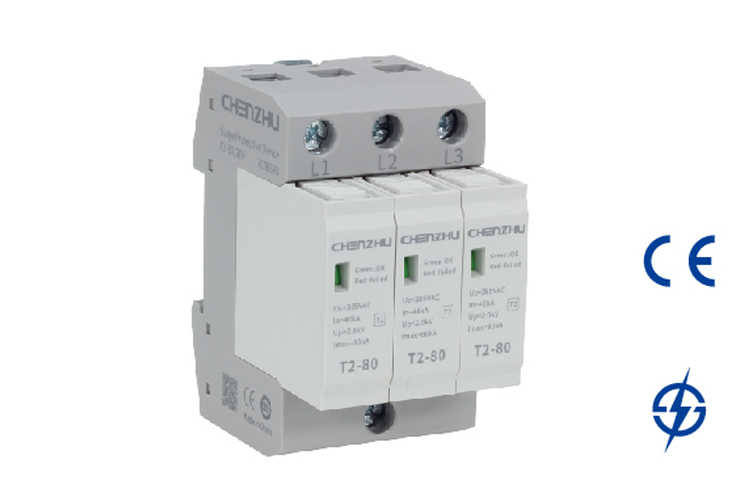
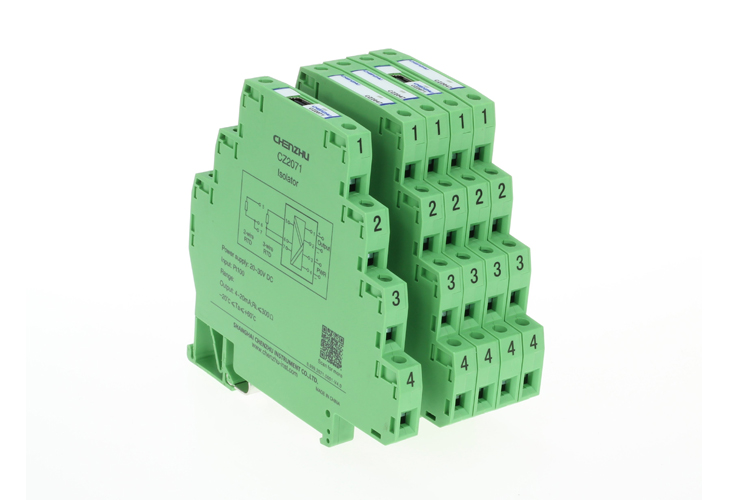
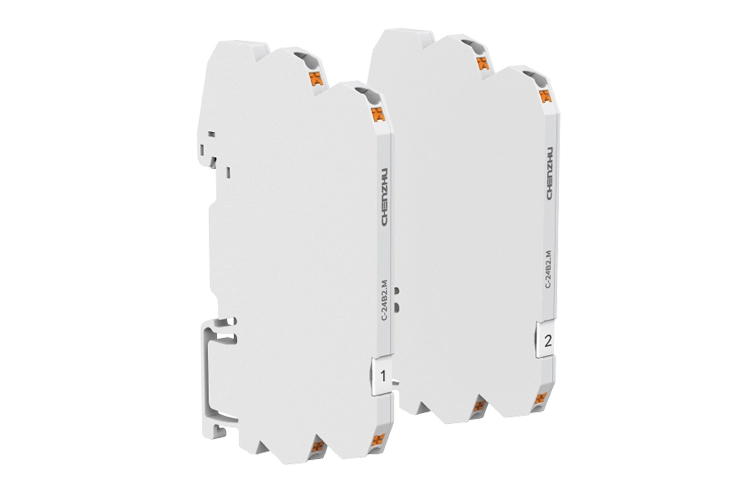
Digital Signal Isolator uses electromagnetic isolation and photoelectric isolation technology to couple the received signal to the output through sampling/modulation, and then through signal demodulation/conversion to achieve signal isolation transmission function. Digital Signal Isolator also functions in signal transmission, amplification, interface matching and bridging, signal distribution, in addition to achieving interference suppression through isolation.
An isolated safety barrier can replace an isolator, but the cost is different. It is recommended to choose according to actual usage requirements.
Digital Signal Isolator cannot replace an isolated safety barrier. The isolator can be applied in explosion-proof systems.
First, you need to understand the following basic concepts: current source (the output of a four-wire transmitter is usually a current source signal), three-wire transmitters, two-wire transmitters. A current-type transmitter converts a physical quantity into a standard 4~20mA current output, which necessarily requires external power supply:
The most typical case is that the transmitter needs two power lines, plus two current output lines, a total of 4 lines, hence it is called a four-wire transmitter. Typically four-wire transmitter output is a current source.
The current output can share one ground wire with the power supply, saving one wire, hence it is called a three-wire transmitter.
4-20MA transmitters mostly use two wires, 4—20mA current itself can power the transmitter. The transmitter in the circuit is equivalent to a special load; the two-wire system means that the power supply and load are connected in series with a common point, and the signal liaison and power supply between the field transmitter and the control room instrument use only two wires. The current consumption of the transmitter varies between 4~20mA depending on the sensor output.
Independent power and loop power generally refer to the power supply methods of digital signal isolator modules; output loop power usually refers to an unpowered signal loop requiring external power supply.
It means that the isolator requires a separate 24V power supply.
No need to provide power separately to the isolator, the power and signal are in the same loop.
The accuracy of loop powered output will be lower than that of independent power.
Pay attention to the formula Uo=Ue-0.02*RL-Ud, where Uo must be greater than or equal to the minimum working voltage of the field transmitter.
The safety side power supply voltage of the isolator Ue=24V, the load resistance of the field two-wire transmitter is 300 ohms, the voltage drop of the isolator Ud=6V, then Uo=24-0.02*300-6=12V. If the minimum working voltage of this two-wire transmitter is 15V, then the power distribution is not enough, and the transmitter cannot function properly.
Reducing Ud, choosing an isolator with a lower voltage drop;
Reducing RL, choosing an isolator with a smaller load resistance;
Selecting a transmitter with a broader operating voltage range, allowing it to function properly at 12V;
Increasing Ue, i.e., increasing the power supply voltage of the digital signal isolator(maximum operating voltage of the isolator is 35V).
 English
 한국어
한국어 français
 Deutsch
 Español
 italiano
 русский
 português
 العربية
 tiếng việt
 čeština